

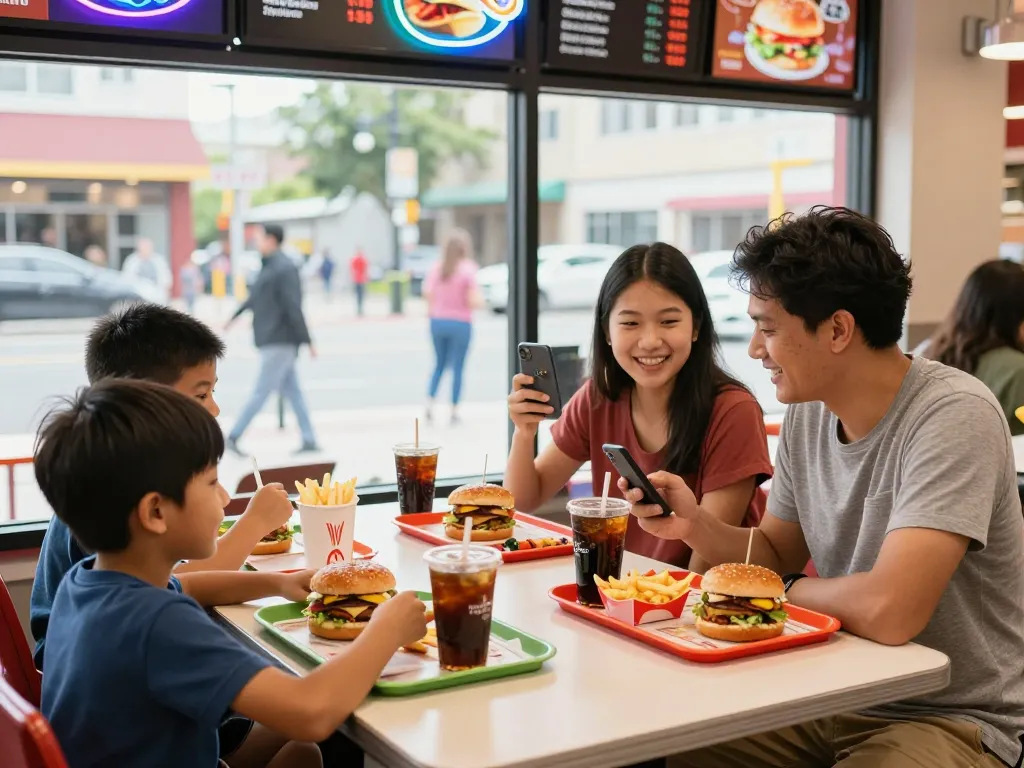
Understanding Fast Food Prices in 2026
As the fast food industry continues to evolve, understanding the factors influencing fast food prices has never been more essential for consumers and industry professionals. With rising costs, changing consumer preferences, and economic challenges, fast food prices in 2026 reflect a complex interplay of various elements. This article delves into current trends, regional variations, consumer behaviors, and future predictions that shape the landscape of fast food pricing.
Current Trends in Fast Food Pricing
In recent years, the fast food sector has experienced notable price hikes. With average meal costs now hovering around $11.50 nationally, it’s clear that consumers are feeling the pinch. This increase is partly attributed to inflationary pressures that have seeped into the food supply chain, affecting everything from raw materials to labor costs. Additionally, chains are investing more in quality ingredients and modernizing their menus to cater to health-conscious consumers, further impacting prices.
Factors Influencing Fast Food Prices
Several key factors are driving changes in fast food prices:
- Inflation: Rising costs of ingredients, labor, and overhead contribute significantly to menu price increases.
- Supply Chain Disruptions: Events like the COVID-19 pandemic have caused shortages, leading to increased prices for certain items.
- Consumer Demand: Increased demand for higher-quality offerings leads franchises to adjust their pricing strategies accordingly.
Comparative Analysis of National Fast Food Prices
The landscape of fast food prices is not uniform across the country. Factors such as regional costs of living, local competition, and state regulations can create significant disparities. For instance, patrons in California may find themselves paying significantly more than those in less populous states. Understanding these geographical differences is crucial for consumers looking to manage their food budgets effectively.
The Impact of Location on Fast Food Prices
Regional Price Variations in Fast Food
Regional price differences are a hallmark of the fast food industry. States such as Hawaii and California consistently rank among the highest in terms of average meal costs. For example, a typical combo meal in San Francisco may average $13.88, compared to prices in states like Arkansas where it could be as low as $8.50. These variations can be attributed to local economic conditions and the cost of doing business in different areas.
Cost of Living and Fast Food Prices Connection
The correlation between cost of living and fast food prices is strong. Areas with higher living expenses tend to have elevated food prices as businesses pass on their operational costs to consumers. This means that families in urban centers might find their fast food choices significantly more expensive than those in rural regions.
State-by-State Fast Food Pricing Breakdown
To provide clarity on the landscape of fast food pricing, it’s beneficial to analyze state-by-state averages. Recent data reveals that:
- Hawaii: Average price for a medium cheese pizza reaches $18.99.
- California: Combo meals typically cost $11-$15.
- Texas: Offers a more affordable range, with meals averaging $9-$12.
Consumer Behavior and Fast Food Pricing
How Price Changes Affect Consumer Choices
As prices increase, consumer behavior shifts. Many fast food patrons are opting for value menus or discounted meal bundles to make their dining choices more economical. A recent study indicated that nearly 60% of consumers consider price when dining out, showcasing the importance of cost in shaping fast food trends.
The Rise of Value Menus in Fast Food
In response to consumer sensitivity toward pricing, many fast food chains have reintroduced or revamped their value menus. Offering meals at lower price points helps chains retain customers who might otherwise look to more affordable dining options. For example, McDonald’s value menu includes items priced around $1-$3, catering to budget-conscious diners.
Influence of Social Media on Fast Food Pricing
Social media platforms play a significant role in shaping consumer perceptions of fast food pricing. Promotions on platforms like Instagram and TikTok can lead to increased traffic in restaurants as consumers flock to take advantage of limited-time offers. This digital influence can lead to both increased sales and higher prices as chains respond to sudden spikes in demand.
Strategies for Managing Fast Food Expenses
Budgeting Tips for Fast Food Lovers
For those who enjoy fast food but want to manage expenses better, practical budgeting techniques can help maintain a healthy balance:
- Limit Visits: Set a budget for how often to eat fast food each week.
- Plan Ahead: Look for local promotions or deals before heading out to eat.
- Share Meals: Consider sharing larger meals to cut costs.
Finding Deals and Discounts
Many fast food chains offer promotions to entice customers. Utilizing apps or signing up for newsletters can provide insights into deals and discounts tailored to individual preferences. Loyalty programs are also an excellent way for frequent diners to save money.
Meal Prep Alternatives to Fast Food
For those looking to cut back on fast food expenses altogether, meal prepping offers a viable alternative. Preparing meals at home not only saves money but allows for greater control over ingredients and nutrition. Simple recipes can replicate popular fast food items, allowing consumers to enjoy their favorites without the associated costs.
Future Predictions for Fast Food Prices
Expected Trends in Fast Food Pricing
As we look toward the future, several trends are likely to impact fast food pricing in the coming years. Sustainability and health concerns will likely lead chains to further increase quality while balancing costs. Innovations in technology such as AI-driven inventory management could help keep prices stable by optimizing supply chains.
The Role of Technology in Pricing Strategies
Technology will continue to play a pivotal role in shaping fast food prices. From advanced forecasting models to dynamic pricing strategies, fast food chains are poised to leverage technology to adapt pricing in real-time based on demand fluctuations and market conditions.
Consumer Expectations for Fast Food Pricing in 2027
By 2027, consumers will expect greater transparency in pricing structures. As interest in ethical consumerism grows, businesses that provide clear justifications for their prices (such as quality sourcing or fair wages) are likely to gain consumer trust and loyalty. Additionally, the continued push for affordability in a turbulent economy will remain a primary concern for fast food patrons.
Why Are Fast Food Prices Rising?
Fast food prices are rising due to several intertwined factors, including elevated ingredient costs, labor shortages, and increased operational expenses. Economic conditions continue to evolve, putting pressure on restaurants to adapt while ensuring they remain profitable.
What Is the Average Price of Fast Food?
The average price of a fast food meal in 2026 stands at over $11.50, a reflection of the modern economic landscape. This average considers various menu items across popular chains, reinforcing the fact that enjoying a classic burger and fries may come at a higher price than in years past.
How Much Is a Normal McDonald’s Meal?
At McDonald’s, the cost of a typical meal can vary based on location but generally falls within the range of $8 to $12, depending on the selected items. Signature offerings such as the Big Mac meal typically land on the higher end of that spectrum.
How Can I Save on Fast Food Costs?
To save on fast food costs, consider opting for the value menu, utilizing coupons, and leveraging loyalty programs. Many chains offer periodic discounts, making it easier for consumers to dine out without breaking the bank.
What Fast Food Chains Are the Most Affordable?
Chains such as Taco Bell and Wendy’s often feature some of the most affordable offerings, especially when considering their value menus. Consumers looking for the best deals should keep a watchful eye on these chains as they frequently introduce budget-friendly promotions.
