

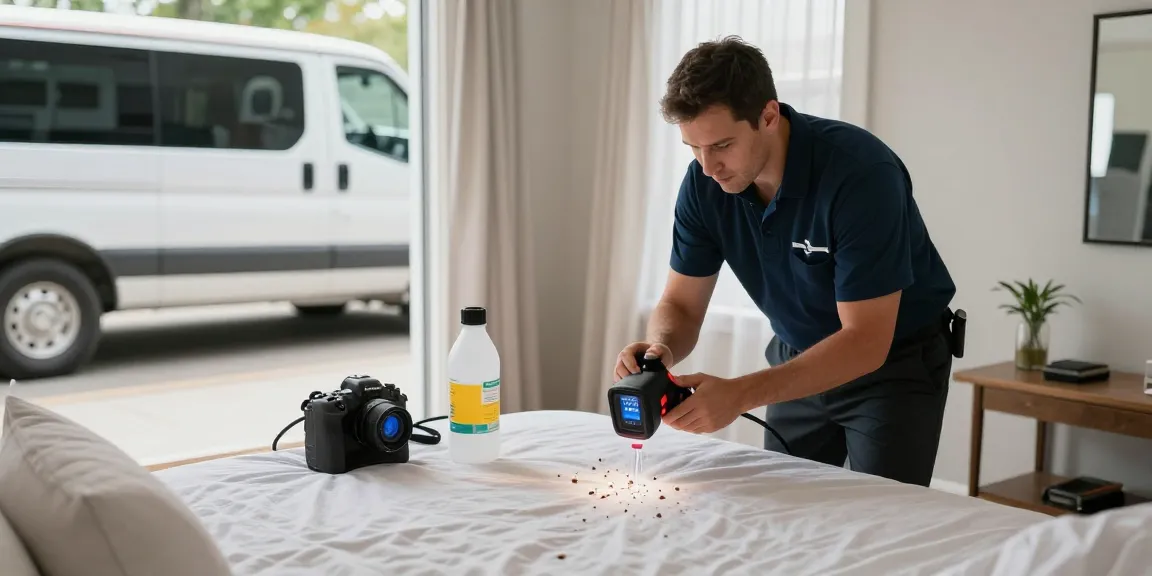
Understanding Bed Bugs and Their Behavior
Bed bugs are small, parasitic insects that feed on the blood of humans and animals. Known for their resilience and ability to reproduce rapidly, these pests have become a growing concern in many households, particularly in urban areas like Milwaukee. Understanding their behavior is crucial for effective bed bug control. Knowledge of their habits, hiding spots, and lifecycle enables homeowners and pest control professionals alike to identify and address infestations before they escalate.
When exploring options, bed bug control becomes essential for both treatment and prevention strategies. By leveraging the insights provided by experienced pest control specialists, you can make informed decisions to protect your home and loved ones from these persistent invaders.
What are Bed Bugs and How Do They Operate?
Bed bugs, scientifically known as Cimex lectularius, are wingless insects, measuring about 1/4 inch long. They typically hide in cracks and crevices during the day, emerging at night to feed on their hosts. Their flattened bodies make it easy for them to hide in narrow spaces, such as mattress seams, upholstery, and even behind wall art. Understanding their behavior is vital in determining effective control measures.
Common Signs of Infestation
Identifying the early signs of a bed bug infestation can save you from prolonged discomfort and costly extermination processes. Look for:
- Red, itchy welts on your skin, often in a line or cluster.
- Small bloodstains on your sheets or mattress, which are remnants from feeding.
- Dark, inky spots or fecal matter in your bedding or furniture.
- Shell casings or shed skins, as bed bugs molt through their life cycle.
Debunking Myths about Bed Bugs
Many misconceptions surround bed bugs, leading to ineffective treatment methods. One common myth is that bed bugs are only found in dirty environments. In reality, bed bugs can infest clean homes just as easily as cluttered ones. They are adept travelers, hitching rides on luggage, furniture, and clothing. Dispelling these myths helps foster better understanding and proactive control measures.
Effective Bed Bug Control Strategies
To combat bed bugs effectively, a combination of treatment strategies is often necessary. Understanding the methods available can empower homeowners to make informed choices for their specific situations.
Comparing Heat Treatment and Chemical Solutions
Two of the most widely recognized methods for bed bug extermination include heat treatment and chemical solutions. Heat treatment involves raising the temperature in an infested area to a level lethal to bed bugs, effectively killing them at all life stages, including eggs. This method is particularly eco-friendly and eliminates the need for chemical residues.
On the other hand, chemical solutions provide a longer-term barrier against re-infestation. These sprays can remain effective for up to 120 days, offering lasting protection while tackling immediate infestations. However, chemical treatments require careful application and planning for maximum effectiveness.
Implementation of Integrated Pest Management (IPM)
Integrated Pest Management (IPM) is a comprehensive approach to pest control that emphasizes prevention, monitoring, and a combination of treatment options. This method involves assessing the extent of the infestation, identifying breeding grounds, and implementing tailored solutions based on the severity of the issue. By using techniques such as education, regular inspections, and targeted treatments, IPM minimizes the chances of re-infestation.
DIY Solutions vs. Professional Services
While DIY methods may seem cost-effective initially, they often fail to address established bed bug populations thoroughly. Chemical sprays available over-the-counter primarily kill on contact and may not penetrate deep into hiding spots. Professional services, however, utilize commercial-grade products and techniques, such as K9 inspections, that are more effective in tackling infestations. Moreover, professionals are adept at identifying and sealing potential entry points, reducing the risk of future invasions.
Preparing Your Home for Bed Bug Control Treatments
Preparation is key to ensuring the success of any bed bug treatment. Properly preparing your home can enhance the effectiveness of the treatment and help avoid additional complications.
Steps to Take Before Treatment
Prior to treatment, it’s important to:
- Clear the infested area of all personal belongings, including clothes and linens.
- Vacuum thoroughly, focusing on potential hiding spots, to remove any visible bed bugs and their eggs.
- Seal any cracks in walls or furniture to minimize potential hiding spaces.
- Communicate with your pest control service about any special needs or concerns regarding the treatment.
What to Expect During the Extermination Process
When the extermination treatment begins, you can expect the following:
- A thorough inspection of your home to assess the level of infestation.
- Application of chosen treatment methods, whether heat or chemical.
- Guidance from pest control professionals on how to vacate and return safely.
Post-Treatment Guidelines for Homeowners
After treatment, it’s crucial to follow certain guidelines to maintain a bed bug-free environment:
- Avoid moving items from treated areas until the pest control team advises.
- Continue to monitor for signs of bed bugs, as some may have survived the initial treatment.
- Consider regular inspections to catch any potential reinfestations quickly.
Case Studies: Success Stories in Bed Bug Control
Real-world examples provide powerful insights into the effectiveness of various bed bug control strategies. In Milwaukee, numerous homes have successfully eradicated bed bugs through comprehensive pest control efforts.
Real-World Examples of Effective Treatments
For instance, a family in Waukesha experienced a significant infestation after returning from a vacation. The implementation of heat treatment, combined with rigorous follow-up inspections, led to complete eradication within weeks. Their proactive preparation further ensured ongoing protection.
Customer Testimonials on Service Satisfaction
Many clients rave about the effectiveness of professional treatments. One satisfied customer noted, “Affordable Bed Bug Exterminators not only eliminated our problem but also educated us on prevention methods moving forward.” Such testimonials highlight the impact that professional services can have on customer peace of mind.
Lessons Learned from Challenging Infestations
While some infestations may prove more difficult to tackle than others, the primary lesson remains clear: early detection and swift action are paramount. Engaging professional assistance at the first sign of trouble can drastically reduce the complexity and expense of resolving infestations.
Future Trends in Bed Bug Control
The pest control industry continues to evolve, driven by new research and technological advancements aimed at improving bed bug control. Keeping an eye on these trends will help homeowners stay one step ahead in their battle against infestations.
Innovations in Pest Control Technology for 2026
Emerging technologies such as advanced heat treatments that target specific areas and enhanced detection methods using thermal imaging are set to transform how bed bug eradication is approached in the coming years. These innovations promise to offer more effective and efficient solutions, minimizing disruption to your home life.
Predictions for Bed Bug Resistance and Management
As pest populations adapt, concerns regarding resistance to conventional treatments become increasingly relevant. In 2026, pest management strategies will likely shift toward more sustainable practices and the utilization of biopesticides, which are derived from natural materials, to combat resistant bed bug strains effectively.
Eco-Friendly Solutions in Pest Control
Sustainability in pest control is a rising concern for many homeowners. The integration of eco-friendly solutions, such as steam cleaning and natural repellents, can offer effective alternatives for those seeking to minimize their environmental footprint while dealing with bed bugs.
Frequently Asked Questions
This section addresses common queries surrounding bed bug control to further inform homeowners about their options.
What kills bed bugs instantly?
Heat is considered one of the most effective methods for killing bed bugs instantly. Temperatures above 120°F (49°C) rapidly eliminate not only adult bed bugs but also their eggs.
Are DIY methods effective for bed bug control?
While some DIY methods can help in managing minor cases, they often lack the potency required to resolve an established infestation. Professional interventions are recommended for comprehensive solutions.
How often should I get a professional inspection?
For homes at risk of infestation, such as those with frequent visitors or travel, annual inspections are advisable. In cases of previous infestations, bi-annual checks may be warranted to ensure peace of mind.
What can I do to prevent future infestations?
Preventative measures include regular inspections, maintaining cleanliness, and being cautious when bringing in secondhand items or luggage. Awareness is critical in staying ahead of potential infestations.
What signs indicate my treatment was successful?
Success indicators include the absence of bites, no visible signs of bugs or their droppings, and peace of mind that comes with knowing your home is pest-free. Ongoing diligence will further solidify these results.