Overview of TradingView in 2026
As we step into 2026, TradingView has undergone a remarkable transformation, establishing itself as a comprehensive platform for trading and market analysis. As a powerful tool catering to both novice and professional traders, it integrates advanced analytics, social networking capabilities, and an intuitive user interface, making it easier than ever to execute effective trading strategies.
What is TradingView Today?
In today's fast-paced financial markets, TradingView stands out by offering a unified workspace where traders can access real-time data, advanced charting tools, and interactive features. This platform empowers users to analyze diverse financial instruments, including stocks, forex, cryptocurrencies, and derivatives—all from a single account. The user-friendly design emphasizes accessibility, allowing users to transition seamlessly between different asset classes.
Key Features of TradingView
- Supercharts: These provide advanced charting capabilities, supporting multiple layouts and time frames for in-depth analysis.
- Custom Alerts: Users can set price and indicator alerts, ensuring they never miss crucial market movements.
- Integrated Calendar: Financial news and economic events are displayed alongside charts, aiding in contextual analysis and decision-making.
- Strategy Tester: This feature allows traders to backtest their strategies using historical data, helping them refine their approaches before going live.
- Pine Script: A proprietary scripting language that enables users to create custom indicators and strategies, enhancing the platform’s flexibility.
Benefits of Using TradingView
The primary advantage of using TradingView lies in its ability to consolidate various trading functions into one accessible platform. Traders benefit from a collaborative community where insights are shared and strategies discussed, which can significantly enhance their market understanding. The real-time updates and alerts mean traders can react swiftly to market changes, giving them a competitive edge in their trading journeys.
How TradingView Has Evolved
From Basic Charts to Complex Analytics
TradingView has evolved significantly from its inception, moving from simple charting tools to a sophisticated analytics platform. Users now have access to a wide range of indicators and overlays that can be applied to price charts, allowing for more comprehensive technical analysis. This evolution in complexity enables traders to refine their strategies and make informed decisions based on solid data.
Integration of AI and Machine Learning
With the fast-paced development of technology, TradingView has begun to incorporate AI-driven features that enhance user experience and trading outcomes. These integrations facilitate predictive analytics, allowing traders to identify potential market movements based on historical patterns and real-time data analysis. Machine learning algorithms also help enhance the efficiency of the platform by optimizing trade execution and reducing latency.
User Experience Improvements
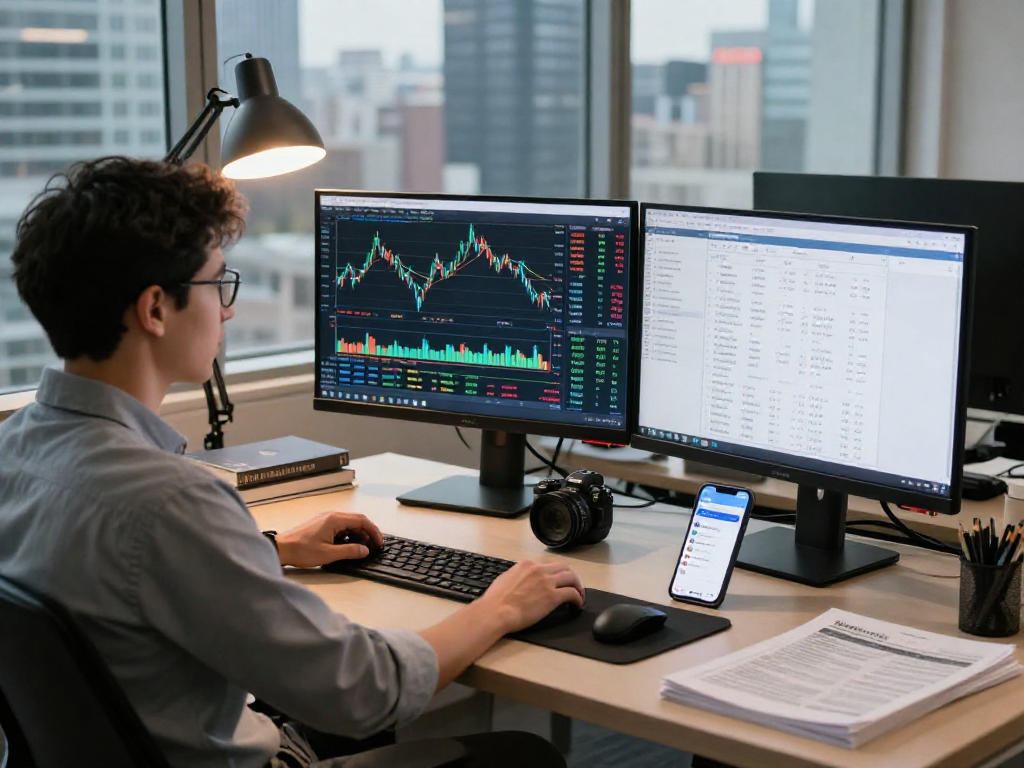
TradingView continually focuses on enhancing user experience through regular updates. User feedback has led to interface improvements, ensuring that the platform caters to both new and experienced traders alike. The introduction of customizable dashboards, multi-monitor layouts, and mobile applications allows users to tailor their trading environments to their preferences, making TradingView not only powerful but also user-friendly.
Building Your Trading Strategy with TradingView
Setting Up Your Trading Dashboard
Establishing a personalized trading dashboard on TradingView is a crucial first step in developing your trading strategy. Users can choose from different layouts and configure their workspaces to include the charts, tools, and indicators most relevant to their trading style. This customization allows traders to streamline their workflow and focus on what matters most, leading to more effective decision-making.
Utilizing Technical Indicators Effectively
TradingView offers an extensive library of technical indicators, from moving averages to more complex oscillators. Effective use of these indicators involves understanding how they complement each other and combining them to form a cohesive strategy. For example, pairing moving averages with the Relative Strength Index (RSI) can help traders identify potential entry and exit points based on trend strength and momentum.
Community Engagement and Social Features
The collaborative nature of TradingView allows traders to engage with a vibrant community. By following other traders, sharing insights, and discussing strategies, users can enhance their own trading knowledge and skills. The social features promote a learning environment where users can exchange ideas and strategies, which can lead to improved trading performance.
Real-World Applications of TradingView
Case Studies: Successful Traders Using TradingView
Numerous traders have leveraged TradingView's capabilities to achieve significant success in their trading endeavors. For instance, a small community of forex traders successfully used custom scripts to optimize their entry points and manage risks, resulting in a higher win rate than traditional methods would allow. Such real-world applications demonstrate the platform's effectiveness across different trading styles.
Lessons Learned from TradingView Users
Analyzing the experiences of TradingView users reveals key lessons for aspiring traders. Many have highlighted the importance of backtesting strategies before deploying them in live markets. Furthermore, users frequently stress the value of maintaining a trading journal to track decisions and outcomes, providing invaluable insights for future improvements.
Analyzing Market Trends with TradingView
TradingView is not just about executing trades; it’s also a powerful tool for analyzing market trends. Users can apply various analytical methods to identify patterns and forecast potential market movements. By utilizing features such as heat maps and screener tools, traders can gain a broader understanding of market dynamics and sector performance, which are vital for strategic trading approaches.
Future Trends for TradingView
What's Next for Trading Technology?
As we look ahead, the future of trading technology is poised for even further enhancements. Innovations such as blockchain integration and decentralized finance (DeFi) are expected to influence trading platforms like TradingView, creating new opportunities and challenges for traders. Staying ahead of these trends will be essential for traders who wish to leverage technology to their advantage.
Predictions for TradingView Features Through 2026
In the coming years, we can anticipate more sophisticated analytical tools within TradingView, possibly including enhanced AI capabilities for predictive analysis. Additionally, the platform may introduce even more social features to facilitate community-driven trading strategies, making it easier for traders to benefit from collective intelligence.
How to Prepare for Market Changes
Preparation for market changes requires not only an understanding of the market environment but also the tools to respond effectively. Traders should focus on continuous learning and adaptability, utilizing platforms like TradingView to stay informed about market conditions and trends. Moreover, maintaining a flexible trading strategy allows for adjustments based on evolving market dynamics, ensuring resilience in various economic conditions.