

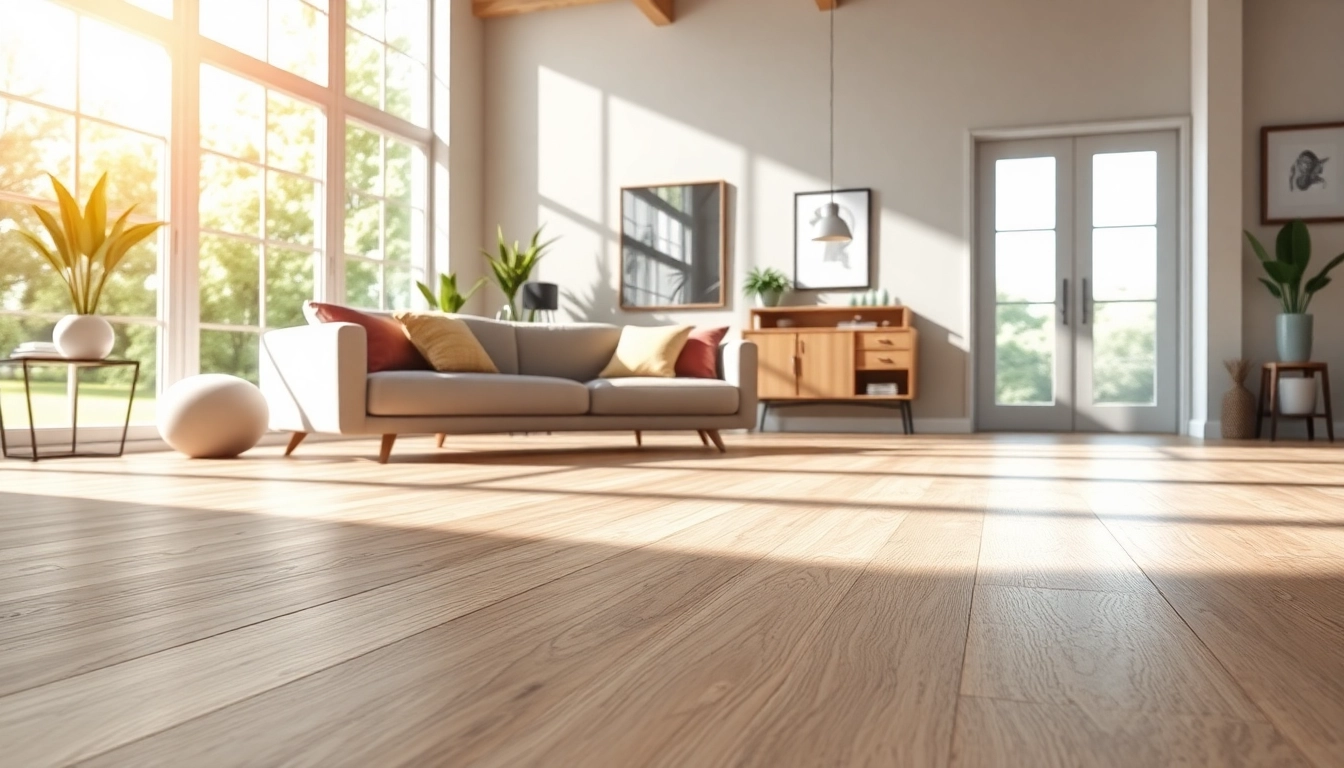
Introduction to Vinyl Plank Flooring
Vinyl plank flooring has surged in popularity over the years, favored by homeowners and businesses alike for its durability, style versatility, and ease of installation. As modern interior design leans toward practicality without sacrificing aesthetics, vinyl plank flooring emerges as a stellar solution that balances both. In this comprehensive guide, we will delve into the intricacies of vinyl plank flooring, exploring its definition, unique benefits, and more.
What is Vinyl Plank Flooring?
Vinyl plank flooring is a type of resilient flooring designed to emulate the appearance of traditional hardwood while being more affordable and easier to maintain. Made primarily from polyvinyl chloride (PVC), vinyl planks can replicate the look of various wood species and styles, from rustic oak to sleek walnut. This flooring solution typically comes in planks or tiles that can be easily installed using a click-lock mechanism or adhesive.
Benefits of Choosing Vinyl Plank Flooring
- Durability: Vinyl plank flooring is resistant to scratches, dents, and stains, making it an ideal choice for high-traffic areas.
- Water Resistance: Many varieties are waterproof, making them perfect for areas prone to moisture, like kitchens and bathrooms.
- Affordability: Generally more cost-effective than hardwood or laminate, vinyl planks provide an economical option for those on a budget.
- Easy Installation: With options for DIY installation, homeowners can easily lay down vinyl without professional help.
- Variety of Styles: Vinyl planks are available in a plethora of colors, textures, and designs, allowing for great customization in design.
Common Misconceptions About Vinyl Plank Flooring
Despite its many advantages, several misconceptions about vinyl plank flooring persist:
- Quality Concerns: Some believe vinyl plank flooring lacks durability; however, high-quality products can last 10-25 years with proper care.
- Environmental Impact: Many think that vinyl is not eco-friendly; however, numerous manufacturers focus on sustainable production practices.
- Limited Design Options: It is often assumed that vinyl can only mimic wood; however, it can also replicate stone, tile, and unique custom designs.
Types of Vinyl Plank Flooring
Rigid Core vs. Flexible Vinyl Plank Flooring
When selecting vinyl plank flooring, understanding the difference between rigid core and flexible options is essential. Rigid core vinyl planks incorporate a dense core made from materials like limestone dust, making them sturdier and more sound-absorbent. They are less prone to expanding or contracting due to temperature changes, offering a stable installation.
Conversely, flexible vinyl plank flooring is more pliable and suitable for a wide range of subfloor conditions. While it may be easier to install, it can be subject to damage if not installed correctly due to moving subfloors.
Luxury Vinyl Tile: An Overview
Luxury vinyl tile (LVT) is a premium version of vinyl plank flooring, specifically designed to offer higher performance and realistic aesthetics. It typically features a thicker wear layer, enhancing its durability, and often includes enhanced visual details for a more authentic appearance. LVT can be used in residential and commercial settings and is available in various formats, including planks and tiles that can be mixed and matched for unique designs.
Comparing Different Brands of Vinyl Plank Flooring
While many brands produce quality vinyl plank flooring, they can vary significantly by features, thickness, and warranties. When comparing brands, consider factors such as:
- Wear Layer Thickness: Generally, thicker wear layers provide better protection against dents and scratches.
- Style Options: Some brands may offer more diverse aesthetic options and colors than others.
- Water Resistance: Check if the product is waterproof or water-resistant, important for specific areas of the home.
- Installation Methods: Ensure you understand the installation requirements for each brand to determine if you prefer DIY or professional installation.
Installation Process for Vinyl Plank Flooring
Preparing Your Space for Installation
Preparation is critical for a successful vinyl plank flooring installation. Start by removing existing flooring, ensuring the subfloor is clean, dry, and level. Any imperfections can lead to issues later, such as unevenness or damage to the planks. Here are some key preparation steps:
- Clear the Area: Remove furniture and any old flooring materials.
- Inspect the Subfloor: Identify any damages or level concerns that could affect the installation.
- Acclimate the Planks: Allow the vinyl planks to acclimate to the room temperature for at least 48 hours before installation.
- Gather Tools: Ensure you have all necessary tools, including a utility knife, tape measure, straight edge, and spacers.
Step-by-Step Guide to Installing Vinyl Plank Flooring
- Plan Your Layout: Decide the direction of the planks to create a visually appealing design. It’s usually recommended to run planks parallel to the longest wall.
- Install Underlayment: If not already attached, lay down an underlayment suited for vinyl, which adds cushioning and sound absorption.
- Begin Laying Planks: Start placing planks in one corner of the room, using spacers to maintain a gap between the planks and the wall.
- Connect Planks: Use the click-lock system by firmly clicking each plank together, ensuring they’re joined securely.
- Cut to Fit: Use a utility knife to cut planks at the end of rows to fit around corners or obstacles.
- Final Touches: Once laid, remove spacers and install baseboards or trim to give the flooring a finished look.
Hiring a Professional vs. DIY Installation
Depending on your experience level and comfort with home improvement projects, you may choose to install vinyl plank flooring yourself or hire a professional. DIY installation can save money, but consider the following:
- Skill Level: If you’re uncomfortable with tools or installation techniques, hiring a professional may be wiser.
- Time: Professional installers typically complete the job faster, especially if you have a large area to cover.
- Warranty: Many manufacturers require professional installation to maintain warranties, so check the terms carefully.
Maintaining Your Vinyl Plank Flooring
Daily Care Tips for Longevity
To ensure your vinyl plank flooring looks new for as long as possible, a regular cleaning routine is vital. Here are some daily care tips:
- Dust and Debris Removal: Use a soft broom or vacuum without a beater bar to remove dust and debris.
- Mop Regularly: Use a damp mop and a solution of mild soap and water to clean without leaving excess moisture behind.
- Rug Use: Place mats at entrances to capture dirt and grit that could scratch the flooring.
Dealing with Scratches and Stains
Despite its durability, vinyl plank flooring can still become scratched or stained over time. For minor scratches, a specialized vinyl repair kit can help minimize visibility. For more significant stained areas, consider:
- Using Vinegar Solution: A mixture of vinegar and water can effectively lift stains without damaging the surface.
- Professional Cleaning: If stains are persistent, hiring a professional floor cleaning service can restore your flooring to its original condition.
When to Refinish or Replace Your Vinyl Plank Flooring
While vinyl plank flooring is known for its longevity, there may come a time when refinishing or replacement becomes necessary. Signs to look for include:
- Visible Wear: If there’s significant wear in high-traffic areas, replacement might be the best choice.
- Persistent Stains: If stains remain despite cleaning efforts, replacement may be a more viable option.
- Hygiene Concerns: If the flooring has accumulated dirt and grime that cannot be cleaned effectively, consider a replacement.
Frequently Asked Questions about Vinyl Plank Flooring
How long does vinyl plank flooring last?
Vinyl plank flooring can last 10-25 years, depending on the product quality and maintenance practices employed.
Can vinyl plank flooring be installed over existing floors?
Yes, you can install vinyl plank flooring over most existing hard surfaces, provided they are clean and level to avoid complications.
Is vinyl plank flooring safe for pets?
Absolutely! Vinyl plank flooring is durable, scratch-resistant, and safe for pets, making it an ideal choice for pet-friendly homes.
Does vinyl plank flooring require special cleaning products?
No, a mixture of mild soap and water is typically sufficient for cleaning vinyl plank flooring, making maintenance straightforward.
Can I install vinyl plank flooring in bathrooms?
Definitely! Vinyl plank flooring is waterproof and an excellent choice for bathrooms, delivering both style and functionality.
