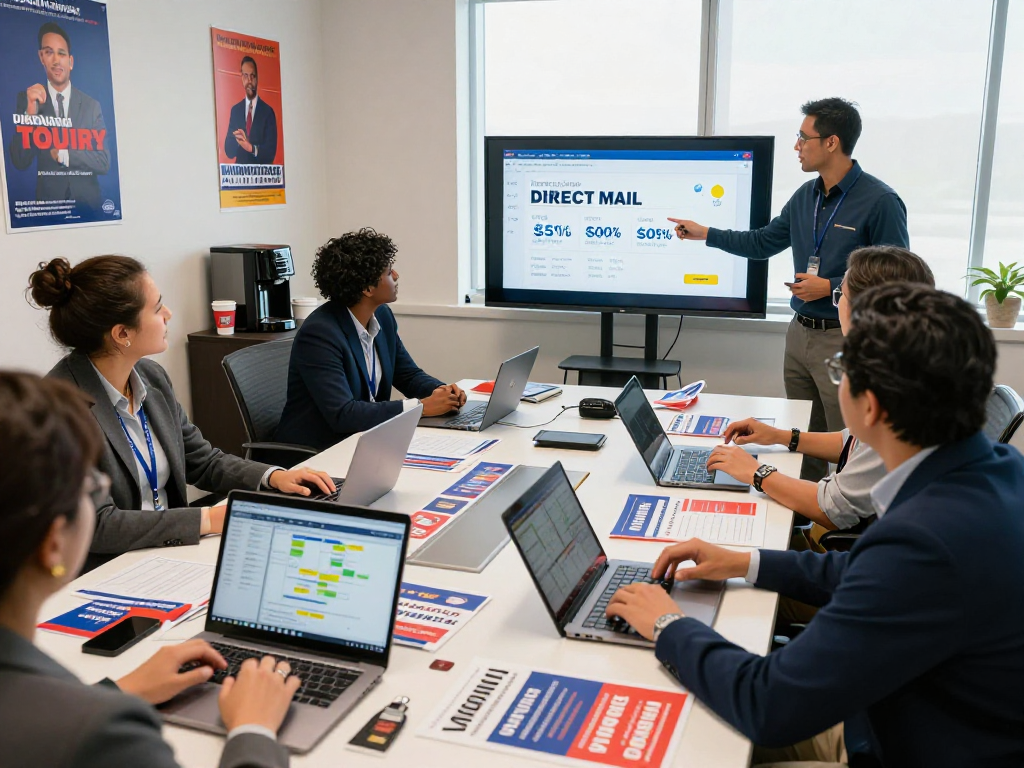
Understanding Political Direct Mail Costs
Political direct mail remains a significant and highly effective method of outreach, particularly as campaigns become increasingly data-driven. In 2026, understanding the costs associated with this marketing strategy is crucial for candidates looking to secure their districts. Whether you're a first-time candidate or a seasoned campaigner, knowing how much does political direct mail cost can help you budget effectively and allocate your resources wisely for maximum impact.
What is Political Direct Mail?
Political direct mail refers to the targeted, personalized mail pieces that candidates send to prospective voters. These pieces can include postcards, brochures, letters, and more, all designed to inform, persuade, and motivate voters to support a particular candidate or cause. Unlike general marketing mail, political direct mail is usually highly targeted based on demographic data, past voting patterns, and local issues, enabling campaigns to connect with voters on a personal level.
Average Costs and Factors Affecting Pricing
On average, the cost of political direct mail can range from a few cents to several dollars per piece, depending on various factors:
- Design and Production: High-quality design and printing can significantly increase costs. Basic designs may start at around $0.50 per piece, while more intricate designs can go up to $2.00 or more.
- Mailing List: Acquiring a reliable mailing list is essential. Costs can vary based on the quality and specificity of the list, with effective databases costing around $0.10 to $1.00 per name.
- Postage: With postage rates fluctuating, the average cost can range from $0.30 to $0.60 per piece, depending on size and weight.
- Volume: Larger orders typically benefit from bulk discounts. Costs can decrease significantly for campaigns ordering in volume.
Comparing Direct Mail with Digital Marketing Tactics
While direct mail is effective, it’s essential to compare it with digital marketing tactics. Digital ads can often be more cost-effective and offer immediate feedback and data analytics. For instance, a Facebook ad can be targeted by geography, interests, and behavior, making it a flexible alternative or complement to direct mail. However, direct mail still boasts higher engagement rates, particularly among older demographics, which might skew voting behaviors.
Key Components of Effective Direct Mail Campaigns
Target Audience Selection and Segmentation
The success of political direct mail campaigns largely hinges on the ability to accurately identify and segment target audiences. Understanding who your voters are—considering factors like age, income, past voting behavior, and local issues—is critical to crafting messages that resonate. More tailored messages can increase response rates significantly.
Design Best Practices for Maximum Impact
Effective design is crucial for political mail pieces. Here are a few best practices:
- Simplicity: Keep the messaging clear and direct. Avoid clutter and excessive information, which can overwhelm the reader.
- Visuals: Use high-quality images and designs that evoke an emotional response and reinforce the campaign message.
- Call to Action: Include a strong call-to-action that encourages recipients to take a specific step, such as visiting a campaign website, attending a rally, or voting on Election Day.
Timing and Scheduling for Optimal Results
Timing your mailings strategically can significantly enhance their effectiveness. Research suggests that mail sent shortly before key deadlines—like voter registration cutoffs or election days—tends to yield better engagement. Additionally, coordinating direct mail with other campaign efforts, like door-to-door canvassing or community events, can amplify the overall impact.
Strategies to Optimize Political Direct Mail Investments
Utilizing Voter Data for Targeted Outreach
Effective campaigns leverage extensive voter data to create personalized outreach strategies. This data can help identify the most persuasive messages for different demographic segments, ensuring that each mail piece speaks directly to the recipient’s values and concerns. By investing in comprehensive voter databases, candidates can maximize their return on investment by ensuring that every piece of mail is targeted and relevant.
Combining Direct Mail with Other Campaign Elements
Integrating direct mail with digital marketing strategies can create a unified campaign approach. For instance, sending direct mail pieces that direct recipients to online platforms for further engagement can leverage both mediums effectively. This dual approach allows campaigns to capture diverse voter segments and enhance overall visibility.
Measuring Campaign Effectiveness and ROI
To ensure your direct mail campaign is worthwhile, it is crucial to measure its effectiveness. Use tracking mechanisms, such as unique URLs or QR codes, to gauge response rates. Additionally, surveying recipients post-election can provide valuable insights into what worked and what didn’t, helping refine future strategies.
Addressing Common Misconceptions About Direct Mail in Politics
Myths About Cost-Effectiveness
One common misconception is that political direct mail is too costly to be effective. However, when done correctly, direct mail can yield significant returns, especially in local elections. Understanding the nuances of cost management—like leveraging data analysis and bulk shipping—can lead to more effective spending.
The Perception of Direct Mail vs. Digital Channels
While digital platforms are trendy, studies indicate that voters still respond well to direct mail, especially in local elections. Direct mail often carries a level of trust that digital ads may lack, leading to higher engagement among some demographics.
Understanding Voter Behavior and Engagement
Voter engagement through direct mail can vary significantly. Understanding your constituency’s behaviors and preferences can help tailor your mail strategies to increase the likelihood of a favorable response. Engaging with voters on the issues that matter most to them can bolster support.
Future Trends in Political Direct Mail for 2026 and Beyond
Emerging Technologies and Their Impact on Direct Mail
The advancements in printing technology and data analytics are set to transform the landscape of political direct mail. With more sophisticated targeting and personalization capabilities, campaigns can create highly bespoke mail pieces that engage voters on an individual level.
Data Privacy Concerns in Voter Targeting
As data privacy becomes a growing concern, campaigns must navigate regulations carefully. Ensuring compliance with data protection laws while leveraging voter information for targeted outreach will be crucial for maintaining public trust.
Adapting to Changing Voter Expectations
Voter preferences are constantly evolving, and campaigns should adapt their strategies accordingly. This includes embracing transparency, providing value-driven content, and engaging with voters through multiple channels, including traditional and digital means.
What Are the Costs of Political Direct Mail? FAQs
Understanding the costs of political direct mail can be daunting. Here we’ll address some frequently asked questions:
- How effective is political direct mail compared to other methods? Direct mail remains effective, particularly for local campaigns where personalized communication can sway undecided voters.
- What strategies can improve direct mail ROI? Focus on targeted mailings, high-quality designs, and tracking engagement to optimize your investment.
- How do I track the success of my direct mail campaign? Use tracking URLs, survey feedback, and analyze voting behavior post-campaign.
- What are the main factors influencing direct mail costs? Key factors include design complexity, list quality, postage, and volume ordered.
- How can voter data enhance my campaign? Access to comprehensive voter data allows campaigns to tailor messages effectively and reach the right audiences.