

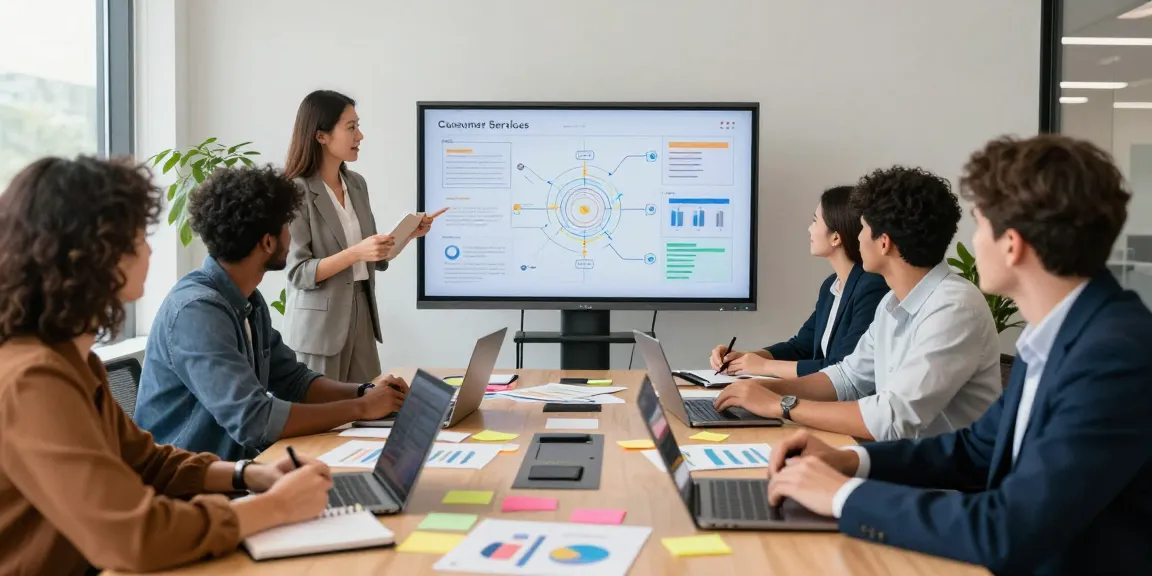
Understanding the Basics of Effective Collaboration
Collaboration is a cornerstone of modern business practices, essential for fostering innovation, achieving goals, and enhancing productivity. As organizations increasingly shift towards collaborative environments, understanding effective collaboration becomes imperative. In this article, we will delve into the various aspects of collaboration in the workplace, addressing challenges, strategies for success, and the future of teamwork. Whether you are a team leader, a member of a cross-functional group, or a decision-maker in your organization, comprehending these dynamics can help you see more details on how to optimize collaborative efforts.
What Does “See More Details” Mean in Business Context?
The phrase “see more details” often implies a deeper exploration of information or a call to action for stakeholders to understand more about a given topic. In the business context, it serves as an invitation for collaboration among team members, encouraging them to delve into specific projects, strategies, or data analyses that require further examination. This concept is integral as it highlights the need for transparency, communication, and shared knowledge in driving successful outcomes.
Foundation of Team Dynamics: Building Trust and Communication
Effective collaboration hinges on robust team dynamics, where trust and communication play pivotal roles. Trust among team members fosters an environment where individuals feel safe to express their ideas and share innovative solutions. Communication, on the other hand, ensures that all stakeholders are aligned with the objectives and understand the roles they play. Techniques such as regular check-ins, open feedback mechanisms, and team-building activities can significantly enhance these elements, leading to improved collaboration and project outcomes.
Essential Tools and Technologies for Collaboration
In today’s digital landscape, a variety of tools and technologies facilitate collaboration among teams, particularly in remote or hybrid work environments. Project management software like Trello, Asana, or Monday.com allows teams to organize tasks, set deadlines, and track progress. Moreover, communication platforms such as Slack or Microsoft Teams enable instant messaging and video conferencing, bridging the gap between team members regardless of their physical location. Leveraging these tools effectively can greatly enhance productivity and cohesion within teams.
Key Challenges in Collaborative Work Environments
While collaboration is essential, it also presents unique challenges that teams must navigate. Recognizing these obstacles can help organizations devise strategies to overcome them effectively.
Identifying Common Obstacles: Miscommunication and Misalignment
Miscommunication often emerges as a significant barrier to effective collaboration. This can stem from unclear instructions, differing communication styles, or inadequate tools leading to confusion about project expectations. Additionally, misalignment on goals or priorities can divert efforts and create friction within teams. Organizations must invest in regular team meetings and utilize collaborative tools that ensure transparency and clarity in communication.
Overcoming Resistance to Change in Teams
Change can be daunting for many teams, particularly when introducing new collaborative practices or tools. Resistance to change may arise from comfort with existing processes or fear of the unknown. To mitigate this, leaders should foster a culture that embraces change by showcasing the benefits of new methods and providing adequate training and support. Encouraging team members to voice their concerns and involving them in decision-making can also help ease this transition.
Maintaining Focus Amidst Distractions
In a collaborative environment, distractions can stem from both internal and external sources, which can hinder productivity. To counter this, teams can establish guidelines for maintaining focus, such as setting designated times for collaborative discussions and utilizing techniques like time-blocking or the Pomodoro method. Encouraging a distraction-free workspace and promoting a culture of respect for each other’s time can also contribute to enhanced focus and collaboration.
Proven Strategies for Enhanced Team Collaboration
To leverage the advantages of collaboration, organizations can implement strategies that foster a collaborative culture and enhance team performance.
Creating a Culture of Openness and Feedback
Building a culture that values openness and feedback is crucial for improving collaboration. Encouraging team members to express their thoughts freely and constructively can lead to innovative ideas and solutions. Regular feedback sessions, performance reviews, and anonymous surveys can create a safe space for individuals to share their insights and suggestions.
Utilizing Visual Aids and Digital Tools Effectively
Visual aids such as charts, graphs, and infographics can significantly enhance understanding and retention of complex information during collaborative discussions. Moreover, utilizing digital tools that integrate visual elements, such as Miro or Lucidchart, can facilitate brainstorming and problem-solving sessions, making collaboration more engaging and productive.
Setting Clear Objectives and Metrics for Success
Establishing clear objectives and metrics is essential for measuring collaboration success. Teams should define specific, measurable, achievable, relevant, and time-bound (SMART) goals that guide their collaborative efforts. Furthermore, tracking progress through key performance indicators (KPIs) can provide insights into team performance and areas for improvement, ensuring that all members are aligned towards common goals.
Real-World Case Studies: Successes and Failures
Analyzing real-world case studies can provide valuable lessons on the impact of collaboration in achieving business objectives.
Analyzing Successful Collaborative Projects
One notable example of successful collaboration is the development of the COVID-19 vaccine, which required unprecedented cooperation among pharmaceutical companies, governments, and healthcare organizations. This initiative showcased how collaborative efforts can lead to groundbreaking advancements, emphasizing the importance of shared goals and resources.
Learning from Collaboration Mistakes
On the other hand, the failed collaboration between several major social networks in combating misinformation highlights the pitfalls of inadequate communication and misalignment in objectives. Teams involved in such projects must learn from these mistakes, understanding that clarity in roles and responsibilities is critical for success.
Incorporating Feedback Loops for Continuous Improvement
Incorporating feedback loops into collaborative efforts allows teams to continuously improve their processes and outcomes. Regularly scheduled post-project reviews and retrospectives can facilitate discussions on what worked well and what didn’t, allowing teams to adjust their strategies accordingly for future projects.
The Future of Collaboration in 2026 and Beyond
As we look to the future, the landscape of collaboration is poised for significant changes influenced by technological advancements and evolving workforce dynamics.
Emerging Trends in Team Collaboration Technologies
By 2026, it’s expected that collaboration technologies will become even more integrated and sophisticated. Virtual reality (VR) and augmented reality (AR) tools may reshape the way teams interact, enabling immersive collaboration experiences that transcend geographical boundaries.
Preparing for Workforce Changes: Hybrid Models
The shift towards hybrid work models will continue to influence collaboration strategies. Organizations will need to adapt their collaborative practices to accommodate both in-office and remote team members, ensuring that all employees feel connected and engaged in the collaborative process.
Expert Predictions on Collaborative Practices in Business
Experts predict that artificial intelligence (AI) will play a more significant role in collaboration by providing insights and automating repetitive tasks, allowing teams to focus on more strategic initiatives. Furthermore, data analytics will drive informed decision-making, enhancing collaboration efficiency and effectiveness.
What Steps Can Businesses Take to Stay Ahead?
To remain competitive, businesses should invest in training that fosters collaboration skills among their workforce. Additionally, staying updated on emerging tools and technologies will empower teams to leverage the latest advancements in collaboration. Regular assessments of collaborative processes will also ensure that organizations can swiftly adapt to changes in the business landscape.
FAQs on Enhancing Collaboration
How to Measure Collaboration Success?
Collaboration success can be measured using various metrics, including project completion rates, team satisfaction surveys, and the achievement of predefined objectives. Regularly analyzing these metrics can provide insights into the effectiveness of collaborative efforts.
What Tools Are Recommended for Remote Teams?
Remote teams can benefit from tools like Zoom for video conferencing, Trello or Asana for task management, and Slack for communication. These platforms facilitate seamless collaboration and ensure that all team members remain connected.
How to Foster a Collaborative Culture in Established Teams?
Fostering a collaborative culture in established teams requires consistent reinforcement of communication, trust, and openness. Encouraging regular team-building activities and providing opportunities for cross-departmental collaboration can significantly enhance team dynamics.
What Are the Future Trends in Team Collaboration?
Future trends in team collaboration may include the rise of AI-driven project management tools, increased utilization of VR and AR technology, and a heightened emphasis on mental health and well-being in collaborative environments.