Understanding CNC Machining Parts
CNC (Computer Numerical Control) machining is a revolutionary manufacturing process that allows for high precision in producing parts across various industries. In this process, pre-programmed software controls the movement of factory tools and machinery, enabling the crafting of complex shapes and designs with exceptional accuracy. Understanding cnc machining parts is crucial for anyone involved in manufacturing, engineering, or quality assurance. These parts are integral to the functionality and efficiency of CNC machines, making their design, material selection, and maintenance pivotal for optimal performance.
What are CNC Machining Parts?
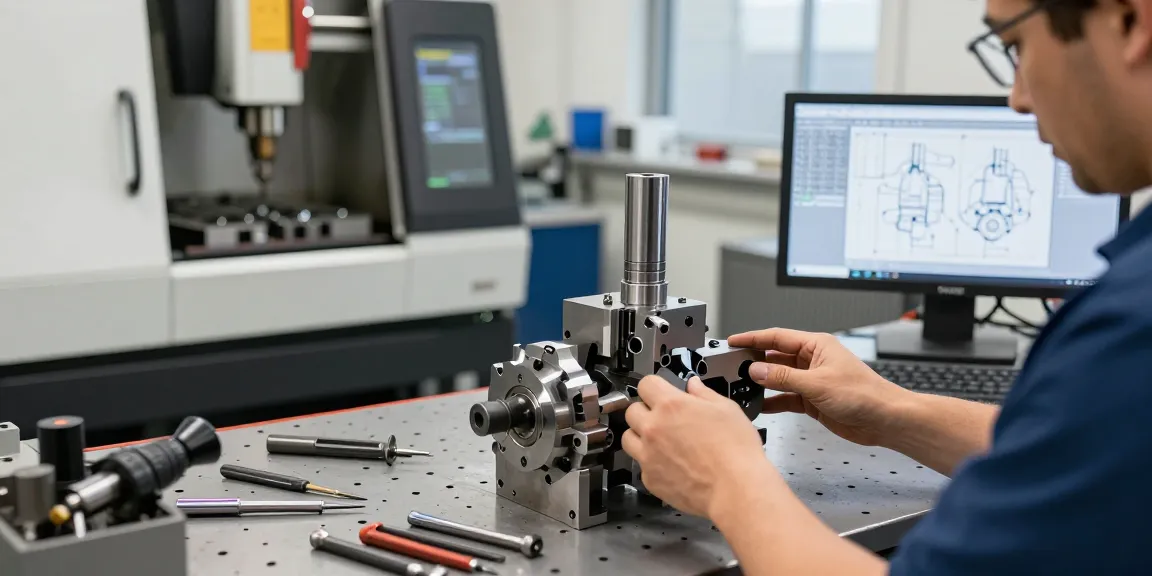
CNC machining parts refer to the components that make up CNC machines and the products they manufacture. They include a vast array of items such as brackets, housings, shafts, and molds, all of which are fabricated using CNC technology. The precision of these parts is vital, as it directly affects the functionality of the final product. Moreover, they can be made from various materials, including metals, plastics, and composites, depending on the application's specific needs.
Common Applications of CNC Machining Parts
CNC machining parts serve a multitude of applications across various sectors. Some of the most common include:
- Aerospace: Components like engine mounts and brackets.
- Automotive: Engine parts, gear components, and electronic housings.
- Medical Devices: Surgical instruments and implantable devices.
- Consumer Electronics: Enclosures for devices and fixtures for assembly lines.
- Industrial Equipment: Machine parts and tooling fixtures.
Key Materials Used in CNC Machining Parts
The selection of materials for cnc machining parts is critical, as it influences the performance and durability of the final product. Common materials include:
- Aluminum: Lightweight and corrosion-resistant, ideal for aerospace and automotive applications.
- Steel: Strong and durable, used for high-stress applications.
- Plastics: Versatile and cost-effective, suitable for various consumer products.
- Composites: Lightweight and strong, used in high-performance applications like aerospace.
Common Issues with CNC Machining Parts
While CNC machining is known for its precision, several common issues can arise during the manufacturing process. Understanding these problems can help manufacturers mitigate risks and enhance quality control. For insight into more complex challenges in the industry, resources on cnc machining parts can provide valuable information.
Identifying Common Defects in CNC Machining Parts
Common defects in CNC machining can include dimensional inaccuracies, surface finish issues, and material inconsistencies. These defects can arise from several factors such as programming errors, improper machine calibration, or tool wear. Regular inspection and testing can help identify these defects early in the production process.
Impact of Material Selection on CNC Machining Parts Quality
The choice of material is paramount in determining the quality and performance of CNC machined parts. For instance, using a softer material may lead to easier machining but could compromise strength and durability. Conversely, harder materials may require more robust tooling and increased machining time, impacting overall production costs.
Misalignment Issues with CNC Machining Parts: Causes and Solutions
Misalignment can lead to significant problems in CNC machining, often resulting from improper setup, machine wear, or incorrect tool selection. Solutions involve regular maintenance, proper calibration of machines, and ensuring tools are suitable for the specific material and process being used.
Best Practices for CNC Machining Parts Production
Implementing best practices in the production of cnc machining parts can greatly enhance efficiency and product quality. Here are some essential strategies:
Essential CNC Machining Techniques for High Precision
Techniques such as high-speed machining, adaptive machining, and multi-axis machining can significantly improve precision. Each technique has its benefits, from reducing cycle times to achieving tighter tolerances in complex geometries.
Quality Control Measures for CNC Machining Parts
Implementing robust quality control measures is essential to ensure the reliability of machined parts. Techniques like statistical process control (SPC), regular audits, and using advanced measurement tools can assist in maintaining high standards.
Design Considerations for Optimal CNC Machining Parts
When designing parts for CNC machining, factors such as design complexity, material efficiency, and tolerance requirements must be considered. Simplifying designs can lead to reduced costs and shorter lead times while still meeting functional requirements.
Future Trends in CNC Machining Parts
The CNC machining industry is evolving rapidly, influenced by technological advancements and market demands. Here are some emerging trends to watch for in the near future:
Emerging Technologies in CNC Machining for 2026
Technologies such as artificial intelligence (AI) and machine learning are set to transform CNC machining. These technologies can optimize machining processes through predictive maintenance and adaptive machining strategies, thereby increasing efficiency and precision.
Impact of Automation on CNC Machining Parts Production
Automation is rapidly changing the landscape of CNC machining. Automated systems can reduce human error, increase production speed, and improve overall product quality, making them attractive to manufacturers looking to enhance their operations.
Industry Predictions for Custom CNC Machining Parts
Industry experts predict a growing demand for customization in CNC machining. As customers seek tailored solutions, companies that can offer flexible manufacturing processes will likely gain a competitive edge.
Real-World Applications and Case Studies
Examining successful implementations of CNC machining can provide valuable insights into best practices and innovative solutions in the industry.
Success Stories: Companies Innovating with CNC Machining Parts
Numerous companies have leveraged CNC machining to drive innovation. For instance, a leading aerospace manufacturer reduced production time by 30% by implementing advanced CNC machining techniques and optimizing their production workflows.
Case Study: Overcoming CNC Machining Parts Challenges
A case study involving a medical device manufacturer revealed how proactive quality control measures significantly reduced defect rates. By integrating real-time monitoring systems, they improved product quality while reducing costs.
How to Implement Best Practices in Your Own CNC Machining Parts Workflow
To foster continuous improvement, companies should regularly review their machining processes, invest in employee training, and keep abreast of industry advancements. Building a culture of quality and innovation can enhance operational efficiency and product standards.
What are the examples of CNC machined parts?
Examples of CNC machined parts include components such as brackets, housings, shafts, and molds, utilized across various industries including aerospace, automotive, and healthcare.
How can you improve the quality of CNC machining parts?
Improving quality can be achieved through regular maintenance of CNC machines, investing in high-quality materials, and incorporating advanced measurement tools for quality assurance.
What materials are commonly used for CNC machining parts?
Common materials include aluminum, steel, various plastics, and composites, each chosen based on the specific application requirements and desired characteristics.
How does CNC technology impact precision machining parts?
CNC technology allows for extremely precise machining of parts, minimizing human error and enabling complex designs to be executed consistently and accurately.
What are the costs associated with CNC machining parts?
Costs can vary greatly depending on factors such as material choice, complexity of the part, volume of production, and machine setup times. Understanding these factors is crucial for budgeting and cost control in CNC machining projects.