Understanding Wood Pest Problems
Wood pests can pose significant threats to wooden structures and furniture, often leading to considerable damage and costly repairs. From furniture makers to homeowners, understanding these nuisances is essential for effective pest management. In recent years, innovative solutions have emerged to combat these threats, prominently featuring advancements in microwave technology. When exploring options, Shashel provides comprehensive insights into the effective elimination of wood pests.
What Are Wood Pests and Their Impact?
Wood pests, including wood-boring insects such as termites, powderpost beetles, and carpenter ants, can cause extensive damage to wooden structures. These pests tunnel through the wood, compromising its integrity and strength. The impact is not just limited to expensive repairs; infestations can also diminish the aesthetic appeal of wooden items, often leading to a decrease in their market value. Moreover, in commercial settings like furniture production, the presence of pests can lead to costly downtimes and loss of productivity.
Common Types of Wood-Boring Insects
- Termites: Known for their destructive feeding habits, particularly in wooden structures.
- Powderpost Beetles: These insects bore into hardwood, leaving fine powder as evidence of their presence.
- Carpenter Ants: Unlike termites, they don’t eat wood but excavate it for nesting, causing similar damage.
Signs of Infestation in Wooden Structures
Identifying wood pest infestations early can mitigate extensive damage. Common signs include:
- Hollow-sounding wood: Tapping on infested wood often reveals a hollow sound.
- Frass: The presence of wood dust or frass is indicative of beetle activity.
- Visible tunnels: Look for small holes on the surface of wood, which indicate ongoing tunneling.
The Revolutionary Shashel Approach
How Shashel Technology Works for Pest Elimination
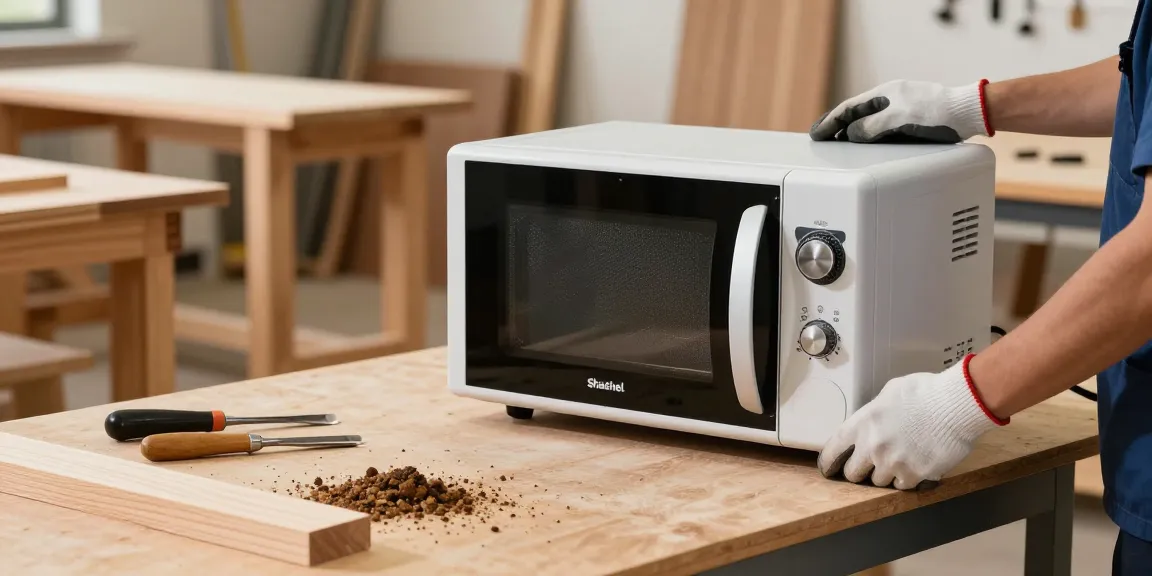
Shashel’s innovative microwave technology targets wood pests by applying controlled microwave energy to infested materials. This energy heats the wood to temperatures lethal to pests while remaining safe for the wood itself. The process is quick, typically taking only a few minutes to effectively eliminate all stages of pest life cycles, including eggs, larvae, and adults. This method stands out for its efficiency and effectiveness, making Shashel a game-changer in pest control.
Benefits of Using Microwave Equipment in Pest Management
The advantages of using Shashel microwave equipment for pest management are extensive:
- Speed: Complete pest elimination can occur in a matter of minutes.
- Safety: Unlike traditional chemical treatments, microwave technology poses no health risks to humans or pets.
- Environmentally Friendly: Microwave pest control leaves no harmful residues or by-products.
- Effectiveness: It can eliminate pests at all life stages, ensuring thorough treatment.
Case Studies: Successful Eliminations with Shashel
Several case studies highlight the effectiveness of Shashel technology. In a notable instance, a historical wooden structure experiencing severe termite infestation underwent treatment with Shashel’s equipment. The process took less than an hour, completely ridding the structure of termites without causing any structural damage, preserving its historical integrity. Such success stories underscore the reliability and impact of Shashel technology in real-world applications.
Best Practices for Using Shashel Equipment
Preparation Steps Before Treatment
Before using Shashel equipment, proper preparation is crucial to ensure effective results. Begin by identifying the extent of the infestation and marking affected areas. Clear away any items surrounding the treatment area to allow for complete penetration of microwave energy. It’s also essential to ensure that the equipment is in good working order and that operators are trained on its use for optimal safety and effectiveness.
Operating the Shashel Equipment Safely
Safety is paramount when operating microwave pest control equipment. Always follow the manufacturer’s instructions and guidelines. Use personal protective equipment, including gloves and eye protection, to safeguard against any unforeseen incidents. Ensuring that the area is well-ventilated and that others are at a safe distance can further enhance safety during the treatment process.
Post-Treatment Care and Monitoring
After treatment, monitor the area regularly for signs of re-infestation. Conduct routine inspections of wooden structures to ensure no new pests are taking hold. Additionally, maintaining proper environmental conditions such as humidity and temperature can deter future infestations. Following up with preventive measures, such as sealing cracks and ensuring good ventilation, can help keep wood pest problems at bay.
Addressing Common Misconceptions
Microwave Treatment vs. Traditional Methods
One common misconception is that microwave pest control is less effective than traditional chemical methods. However, Shashel’s technology not only matches but often exceeds traditional methods in terms of speed and safety. While chemical treatments can take days or weeks to manage an infestation, microwave technology delivers immediate results without the risks associated with toxic chemicals.
Are There Risks Involved with Microwave Pest Control?
Like any pest control method, there are precautions to consider. However, when used correctly, Shashel’s microwave technology poses minimal risks. Unlike chemical treatments, which may leave residues, microwave technology is clean and non-toxic, making it an ideal choice for indoor applications. Ensuring operator training can further mitigate any potential hazards.
Understanding the Environmental Impact of Shashel Technology
Shashel technology is designed with environmental sustainability in mind. Unlike traditional methods that can involve harmful chemicals, microwave pest control utilizes a straightforward approach that leaves no toxic residue and is energy-efficient. This represents a significant advancement in pest control technology, aligning with increasing consumer demand for eco-friendly solutions.
Future Trends in Pest Control Technology
Emerging Innovations for Wood Protection
The future of pest control technology is promising, with emerging innovations focused on improving effectiveness and environmental sustainability. Technologies such as biopesticides, advanced monitoring systems, and genetic pest management solutions are on the rise. Organizations like Shashel are at the forefront of these innovations, incorporating cutting-edge research to develop enhanced pest control solutions.
The Role of AI and Automation in Pest Management
Artificial intelligence (AI) and automation are poised to revolutionize the pest control industry. Smart sensors and monitoring systems can provide real-time data on pest populations, allowing for timely interventions. These technologies enable precise targeting of infestations, minimizing unnecessary treatments and maximizing the effectiveness of solutions like Shashel.
Predictions for the Pest Control Industry in 2026
By 2026, the pest control industry is expected to incorporate more advanced technologies. We anticipate a significant increase in the use of microwave and AI-driven solutions for pest management, highlighting the shift towards eco-friendly and efficient systems. Professionals within the industry will need to adapt to these changes, embracing training and education on new technologies to meet evolving consumer demands.
What are the benefits of using Shashel equipment for pest control?
Utilizing Shashel equipment offers numerous benefits, including rapid pest elimination, safety for humans and pets, and environmental sustainability. Additionally, Shashel’s technology is highly effective against all life stages of wood pests, ensuring a thorough treatment.
How long does the Shashel pest elimination process take?
The Shashel pest elimination process is remarkably quick, often taking only a few minutes to achieve complete eradication of an infestation. This swift approach minimizes downtime and allows for a rapid return to normal activities.
Is Shashel technology safe for home use?
Yes, Shashel technology is safe for home use. It does not involve the application of harmful chemicals, making it a non-toxic solution for pest control. Operators should follow safety guidelines to maximize safety during usage.
What maintenance is required for Shashel equipment?
To ensure optimal performance, Shashel equipment should be regularly inspected and maintained. This includes checking for any wear and tear, cleaning components, and ensuring that all safety features are functioning correctly. Regular maintenance can extend the lifespan of the equipment and enhance its effectiveness.
How does Shashel compare to traditional pest control methods?
Shashel technology offers several advantages over traditional pest control methods, such as speed of treatment, environmental safety, and comprehensive eradication of pests at all life stages. These features position Shashel as a leader in modern pest management solutions.